I Wasn’t Flaky. I Was Terrified.
There was a period of my life when leaving the house became absolutely terrifying.
And I know that probably sounds dramatic to someone who has never experienced it, especially because I used to love going out. I loved getting dressed up, seeing people, attending events and feeling like I was part of things. I could make plans days ahead of time and be genuinely excited about them. I meant it when I said yes. I fully intended to go.
Then it would be time to start getting ready… and something inside me would shift.
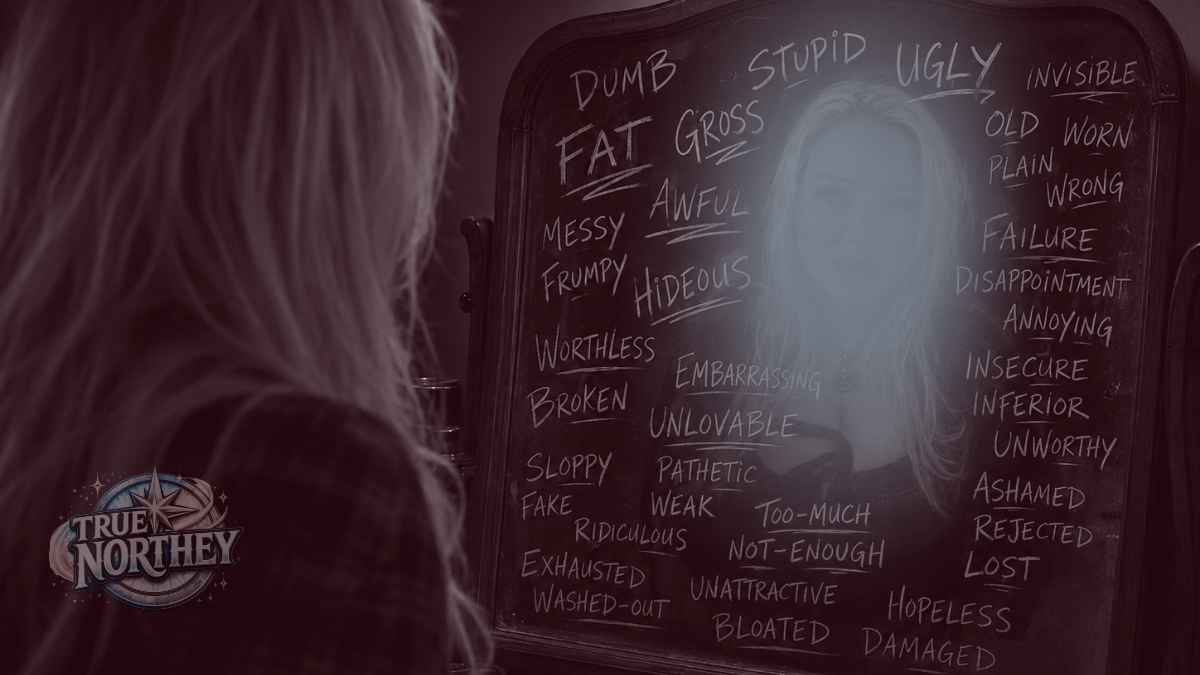
The anxiety usually started as a quiet hum, but it rarely stayed quiet. I would stand in front of the mirror and begin picking myself apart piece by piece. My hair looked terrible. My clothes looked stupid. My lipstick was wrong. My skin looked bad. My body looked awful. I looked weird. Nothing fit right, nothing felt right and suddenly I could not understand why I had ever thought leaving the house was a reasonable idea.
I could try on ten different outfits and somehow feel worse in every single one.
The maddening part was that the real problem was never the clothes. It was not my hair, my lipstick, my skin or whatever part of my body I had decided to hate that day.
The real problem was how I felt inside.
It Probably Looked Like I Didn’t Care
From the outside, I am sure it looked flaky.
I made plans and canceled them, sometimes at the last minute after people had already gotten dressed or arranged their evening around me. There were probably people who thought I did not value their time, did not care enough to show up or simply could not be counted on. I understand why it may have felt that way.
Anxiety can explain behavior, but that does not mean the behavior never affected anybody else. I know there were times when people probably felt disappointed, frustrated or rejected by me. I am not trying to rewrite that part or pretend it did not happen.
But I also wish they could have seen what was happening behind the cancellation text.
I was not sitting comfortably at home eating bon-bons thinking, I just don’t feel like going anymore. I was usually standing in my bedroom surrounded by discarded clothes, feeling ashamed, overwhelmed and almost paralyzed by the thought of being seen. By the time I canceled, I had already spent an hour(s) fighting with myself. I had told myself to get dressed, tried to calm down and promised myself repeatedly that I would feel better once I got there.
Sometimes I knew I probably would feel better once I arrived.
I still could not make myself walk out the door.
The moment I sent the cancellation, I would feel an immediate wave of relief… followed almost instantly by guilt, embarrassment and self-hatred. I felt terrible for letting people down. I felt humiliated that I could not do something that seemed so simple for everyone else, and I hated knowing I had probably made myself look unreliable again.
Then all that shame made it even harder to go out the next time.
That is one of the things people do not always understand about anxiety. Canceling does not necessarily mean you did not want to go. Sometimes you wanted to go very badly. You just could not get your body and brain to cooperate with what you wanted.
I Wasn’t Afraid of Going. I Was Afraid of Being Seen.
It’s has taken time and healing for me to understand that I was not necessarily afraid of the restaurant, the party, the concert or the people waiting for me.
I was afraid of being seen while I felt completely wrong inside.
I felt empty, exposed, ashamed and deeply defective. I was convinced everybody hated me, even when there was no actual evidence that they did. I believed people were judging me, talking about me, noticing every flaw and somehow detecting something broken in me that I was working very hard to hide.
Low self-esteem is strange because other people can love you tremendously and you can still feel completely unlovable. They can tell you the truth about yourself all day long, but when your own mind is committed to a completely different story, their words cannot always get through.
Billy could love me beautifully, but he could not love me into believing I was worthy. My friends could invite me, include me and reassure me, but they could not climb inside my head and clear out the shame. I could look at photographs later and see a completely different person from the one I believed I had seen in the mirror, but even photographic evidence could not fix what was going on between my ears.
Reassurance kept landing on the outside of my front door.
It was not because their love was not real or strong enough. It was because I had reached a point where I could not receive it. Positive words didn’t phase me. I did not believe compliments. I thought people were just being polite, feeling sorry for me or saying what they thought they were supposed to say.
When you feel that badly about yourself, love can be standing directly in front of you and still feel very far away.
Sometimes I Was Trying to Escape Myself
This is where anxiety, shame and addiction became completely tangled together for me.
A lot of my drinking, and my desire for anything else that might change my mood or the way I felt, came from being unable to tolerate the pressure of existing inside my own skin. I was not always drinking simply because I wanted to have fun or loosen up.
Sometimes I was trying to quiet the voice in my head long enough to leave the house.
I was trying to stop caring what I looked like. I was trying to stop imagining that everybody hated me. I was trying to stop feeling so painfully aware of myself and everything I thought was wrong with me.
Alcohol could make me feel confident for a little while. It could quiet the mirror, soften the anxiety and make me believe I belonged in the room. It could take that scared, self-conscious person and temporarily turn her into somebody louder, funnier and less afraid.
Until it didn’t.
Because anything you use to escape yourself eventually sends you right back home to yourself… usually with more damage, more regret and another reason to feel terrible.
The very thing I was using to help me socialize eventually made my anxiety, depression and self-esteem so much worse. The shame from things I said or did while drinking became more evidence for the case I was already building against myself. Then I needed relief from the person I had become while trying to get relief from the person I already was.
It was a vicious circle.
I felt anxious, so I drank. Drinking created consequences, so I felt ashamed. Shame made me want to hide. Hiding made me feel isolated. Isolation made me feel even worse about myself… and then I wanted something that could help me escape again.
At some point, I could no longer tell where the anxiety ended and the addiction began.
Recovery Did Not Make Me Confident Overnight
Getting sober did not magically turn me into a woman who woke up loving every part of herself.
Recovery has been much slower, a lot less glamorous and far more honest than that.
It has meant learning how to get ready without turning the mirror into a courtroom. It has meant noticing when I start picking myself apart and asking whether something is actually wrong… or whether my anxiety has started narrating again.
It has meant building habits that make me feel safer inside my own skin. Walking. Writing. Getting right with God. Being honest. Keeping promises to myself. Paying attention to what makes my anxiety worse instead of pouring something on top of it and hoping it disappears.
It has also meant accepting that I may not always feel completely confident before I leave the house.
Sometimes the victory is leaving anyway.
Not perfectly dressed. Not completely reassured. Not convinced everybody is going to love me. Just willing to be seen as I am without trying to erase myself, numb myself or become somebody else first.
And I do not want to pretend recovery has turned me into someone who never cancels. I still cancel sometimes. I still get anxious. I still have moments when I get in my head before going somewhere and start picking myself apart.
The difference is that I am getting better at recognizing what is happening. I am learning how to target the anxiety instead of immediately believing everything it tells me. I can be more honest about what I am feeling, give myself a minute to settle down and make a healthier decision instead of using alcohol or something else to force myself through it.
Sometimes I still need to stay home. Sometimes I need to rest, regroup or admit that I do not have it in me that day. I also understand other people who cancel because of anxiety, probably more than most, because I know how real it can feel.
But I am also learning the difference between taking care of myself and allowing fear to make every decision for me.
Self-worth is not something other people can hand you, no matter how much they care. Their love can support you. It can remind you. It can hold a light while you find your way back. But eventually, you have to begin believing that you are worth showing up for.
That part happens slowly. Every healthy decision adds a little evidence. Every time I navigate something uncomfortable without escaping, I trust myself a little more. Every time I keep a promise, survive an anxious moment or allow myself to be imperfect in public, the world becomes slightly less frightening.
I know what it is like to desperately want to go somewhere while your entire nervous system is screaming at you not to. I know how embarrassing it is when your behavior does not match your intentions, and I know how easily somebody can be labeled flaky when they are actually struggling to keep their head above water.
That does not mean we never need to apologize or acknowledge how our cancellations affect other people. Understanding why we did something does not erase the impact. But it does give us a chance to stop hating ourselves long enough to actually change it.
I cannot go back and attend everything I missed. I cannot undo every canceled plan or explain myself to every person who took it personally.
What I can do is finally tell the truth.
I was not backing out because I did not care. A lot of the time, I cared deeply. I wanted to be there. I wanted to be included. I wanted to feel normal, comfortable and excited like I used to.
I just did not know how to leave the house while feeling so terrified of being me.